Bloodstains at a crime scene hold secrets. To the untrained eye, they’re just messy biological hazards, but for law enforcement, they can be forensic gold. Bloodstain pattern analysis (BPA) blends physics, biology, math, various physical sciences, and investigative skill to piece together violent events. If you’re new to policing or forensics, or simply unfamiliar with how BPA can help you investigate violent scenes, this guide breaks down how to read bloodstains—from drips to mists.
In the ever-evolving landscape of criminal investigations, crime scene reconstruction has become an indispensable skill for modern law enforcement. This guide will delve into the critical aspects of crime scene reconstruction training, its importance, and how it empowers your agency to uncover the truth and ensure justice in 2025.
The Supreme Court’s 2021 decision in Caniglia v. Strom sent shockwaves through law enforcement and legal circles, fundamentally altering the landscape of community caretaking and its interaction with red flag laws.
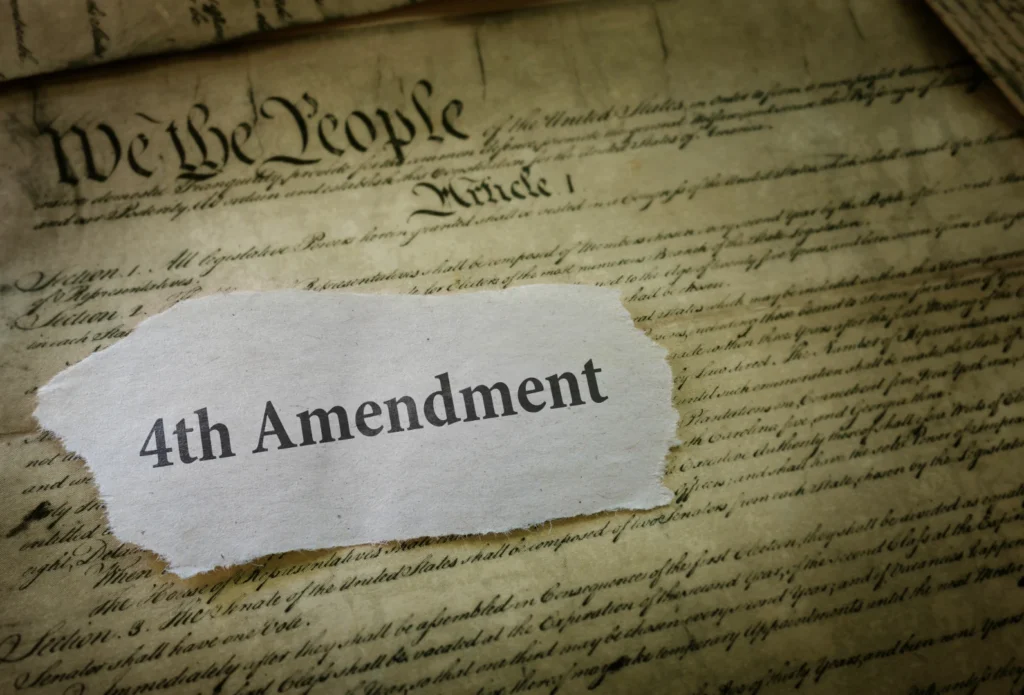
When a death occurs under uncertain or suspicious circumstances, law enforcement officers frequently confront a critical legal question: may they enter a private residence to investigate without a warrant, or does the Fourth Amendment impose a barrier to such action? This article seeks to clarify the constitutional parameters governing police entry in death-related inquiries. Your jurisdiction may have varying policies and procedures. Seek your department’s legal counsel for further details and opinions.
Vehicle forensics is a fascinating field that plays a critical role in criminal investigations, particularly in cases such as hit-and-run accidents, DUI cases, and homicides. By examining the physical and digital evidence found in or on a vehicle, forensic investigators can establish a timeline of events and identify potential suspects, ultimately helping to bring justice to victims and their families – at least, that’s our goal.
Have you heard of trauma informed interviewing? It’s a new approach to interviewing that’s gaining popularity in law enforcement agencies across the country. The idea behind it is that individuals who have experienced trauma may have difficulty communicating about their experiences, and traditional interview techniques may not be effective in obtaining accurate information from them.
Contact with fire is the most common cause of burns in child abuse cases but other less common causes of burns include scalds (burns from hot liquids), electrical burns and chemical burns.
Strangulation is a type of mechanical asphyxia, which can result in death or permanent disability. Non-fatal strangulation is a increasingly recognized form of domestic violence.
Crisis negotiation is a process of communication between law enforcement and an armed, barricaded, or otherwise dangerous subject, in order to effect a peaceful resolution.
Newsletter and a discount
Get free bi-weekly law enforcement training articles and a discount on your next session. Plus, snag a free guide: “Top 10 Deadly Mistakes of Suspect Interviews.”